Environmental Education Activities in Viet Nam
In recent years, under the guidance of the Vietnamese Government, considerable emphasis has been placed on the communication, dissemination, and education of environmental protection laws. A wide range of initiatives has been implemented to raise public awareness, including the distribution of educational materials and visual content; mass media campaigns across print, radio, and television; as well as various contests in writing, art, and knowledge about environmental legislation. In addition, annual campaigns have been systematically and consistently organized to encourage public participation in environmental protection efforts.
An environmental education network has been established, fostering significant progress in coordinating the implementation of environmental education and training nationwide, as well as enhancing regional and international cooperation. Annual National Environmental Reports are consistently developed and widely disseminated to raise public awareness. A comprehensive environmental information and data management system has also been established and robustly expanded to support state management in environmental protection. Numerous environmental volunteer organizations have been founded and are actively engaged in environmental protection efforts.
In addition, many exemplary and innovative environmental protection models have been developed and effectively promoted, contributing positively to ongoing environmental initiatives.
In an effort to raise awareness, foster critical thinking, and empower the young generation—the future stewards of our planet—to adopt sustainable lifestyles, protect natural resources and biodiversity, respond to climate change, and reduce their carbon footprint through small daily actions in pursuit of a Net-Zero future by 2050, the Center for Natural Resources and Environment Communication (CNREC), in collaboration with UNDP and various partner organizations, is organizing a series of environmental education activities.
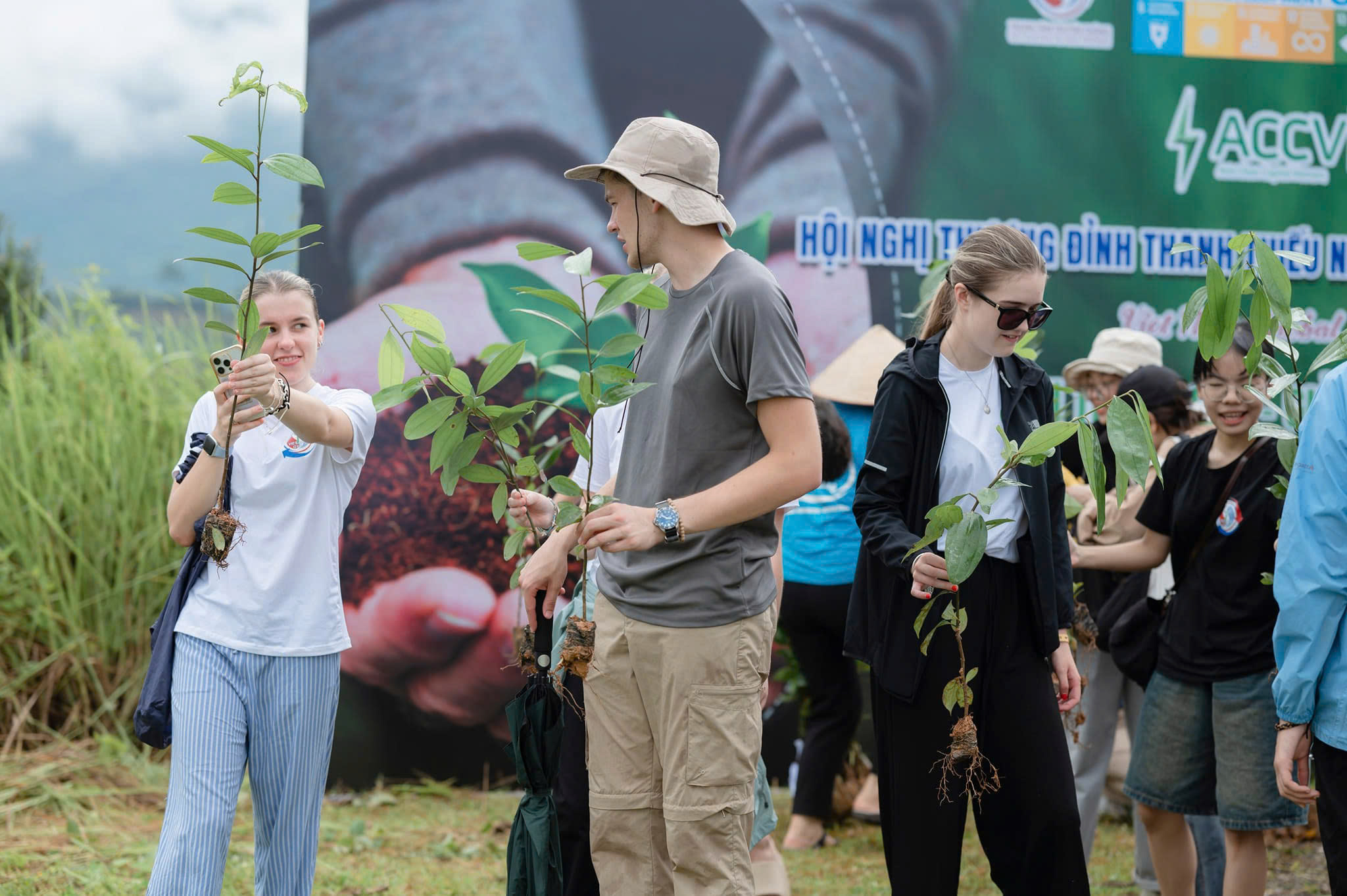
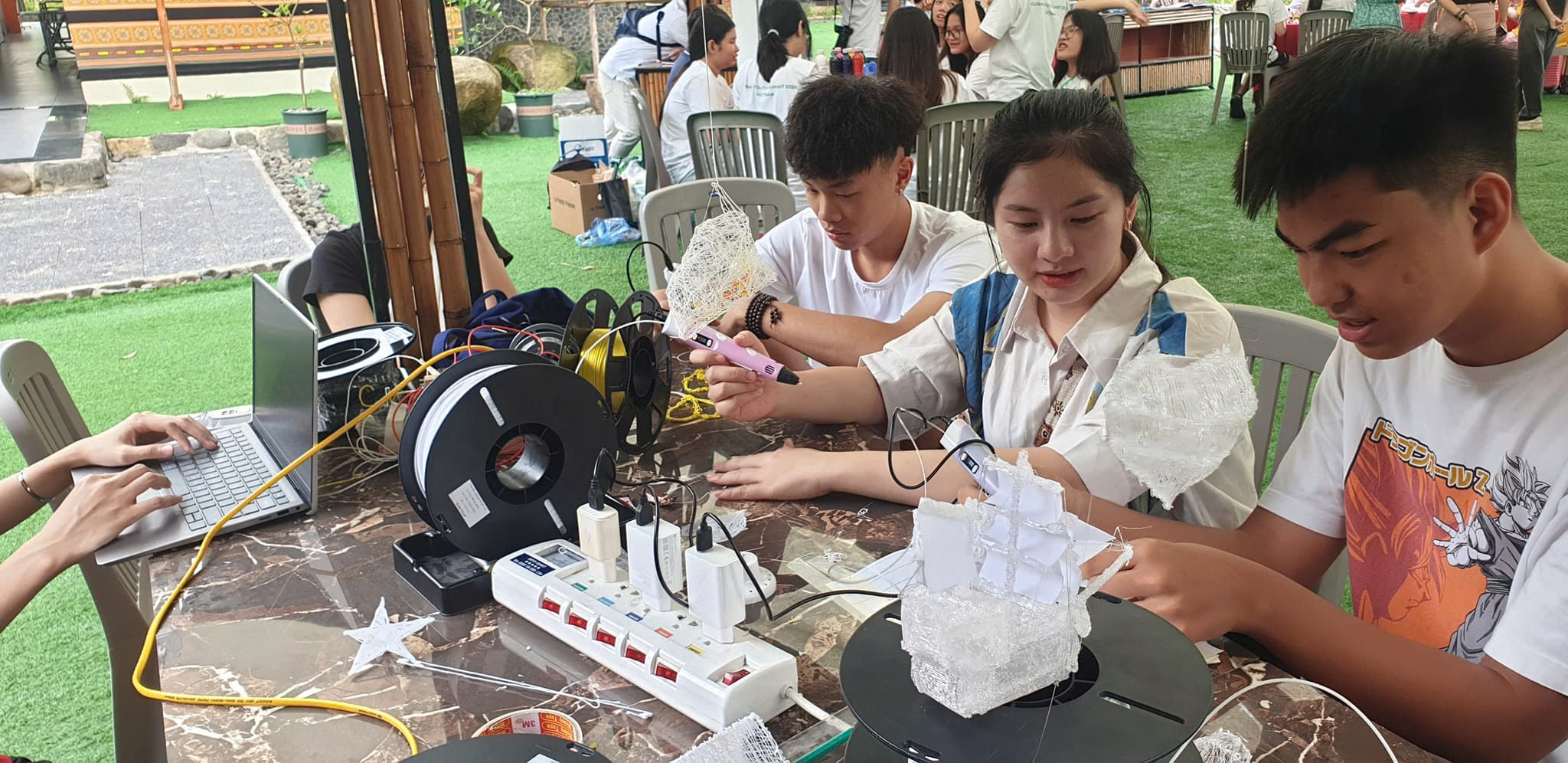
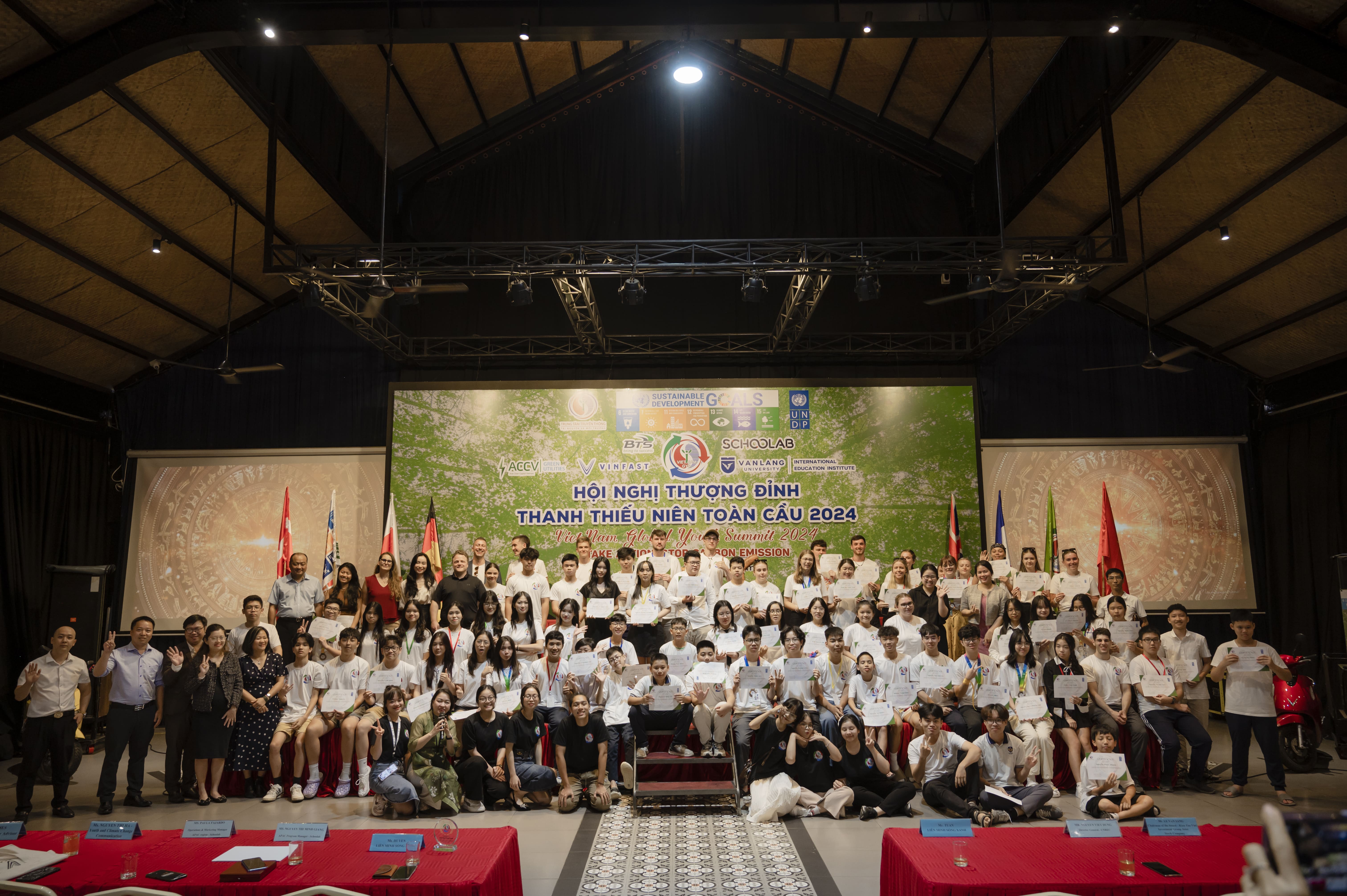
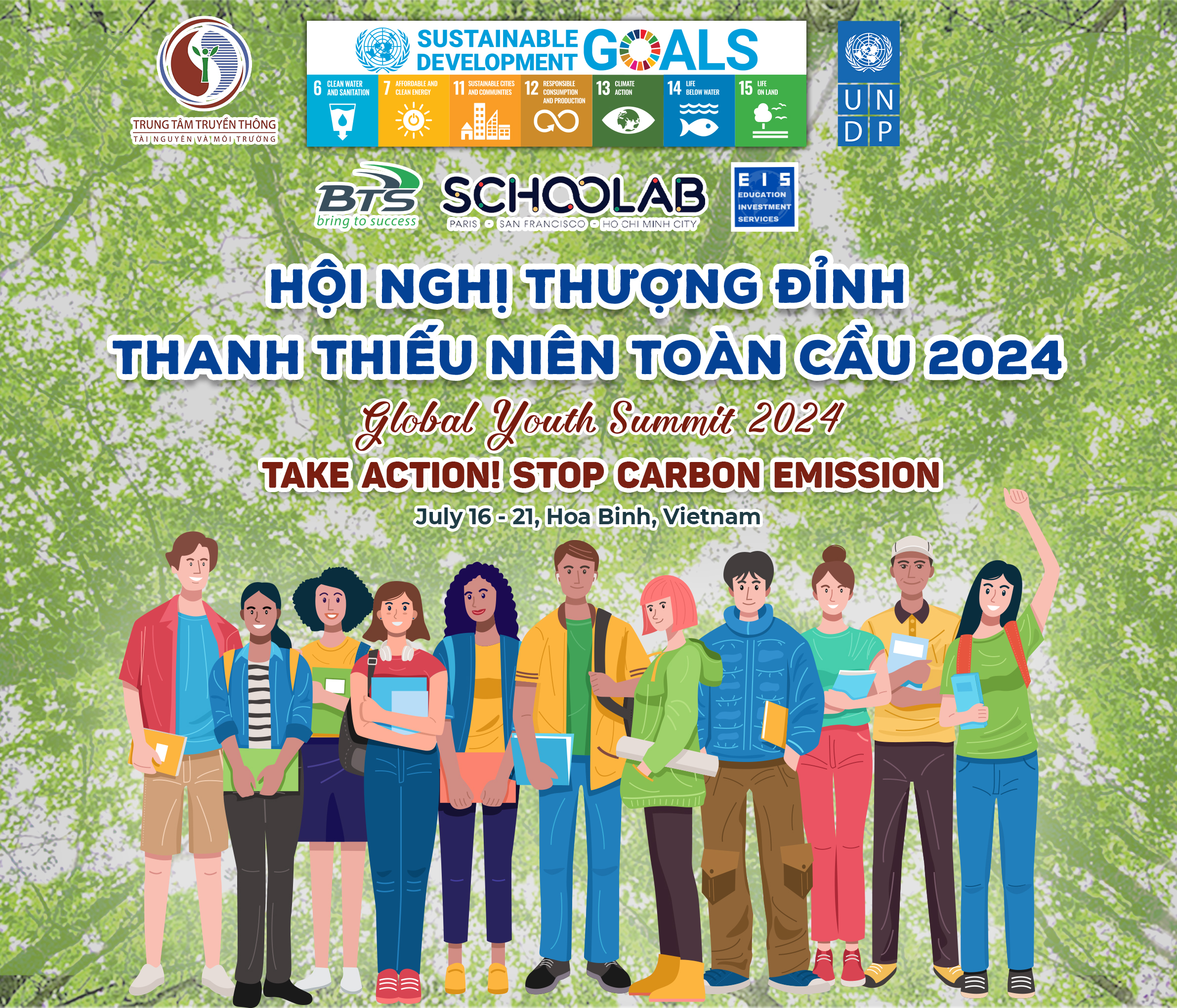
One highlight among these initiatives is the Global Youth Summit – Vietnam 2024, under the theme “Take Action –Carbon Reduction.” The summit will take place from July 16 to 21, 2024, at An Lac Eco Farm and Hot Spring, Kim Boi District, Hoa Binh Province. The program aims to promote a healthy, sustainable lifestyle among youth and encourage practical actions to reduce carbon emissions.
Key activities of the summit include:
A distinctive feature of the summit is the “No Single-Use Plastic” policy—each participant is required to bring a reusable water bottle and avoid disposable plastic items, contributing to the overall green objectives of the event and reinforcing a healthy, eco-friendly lifestyle.
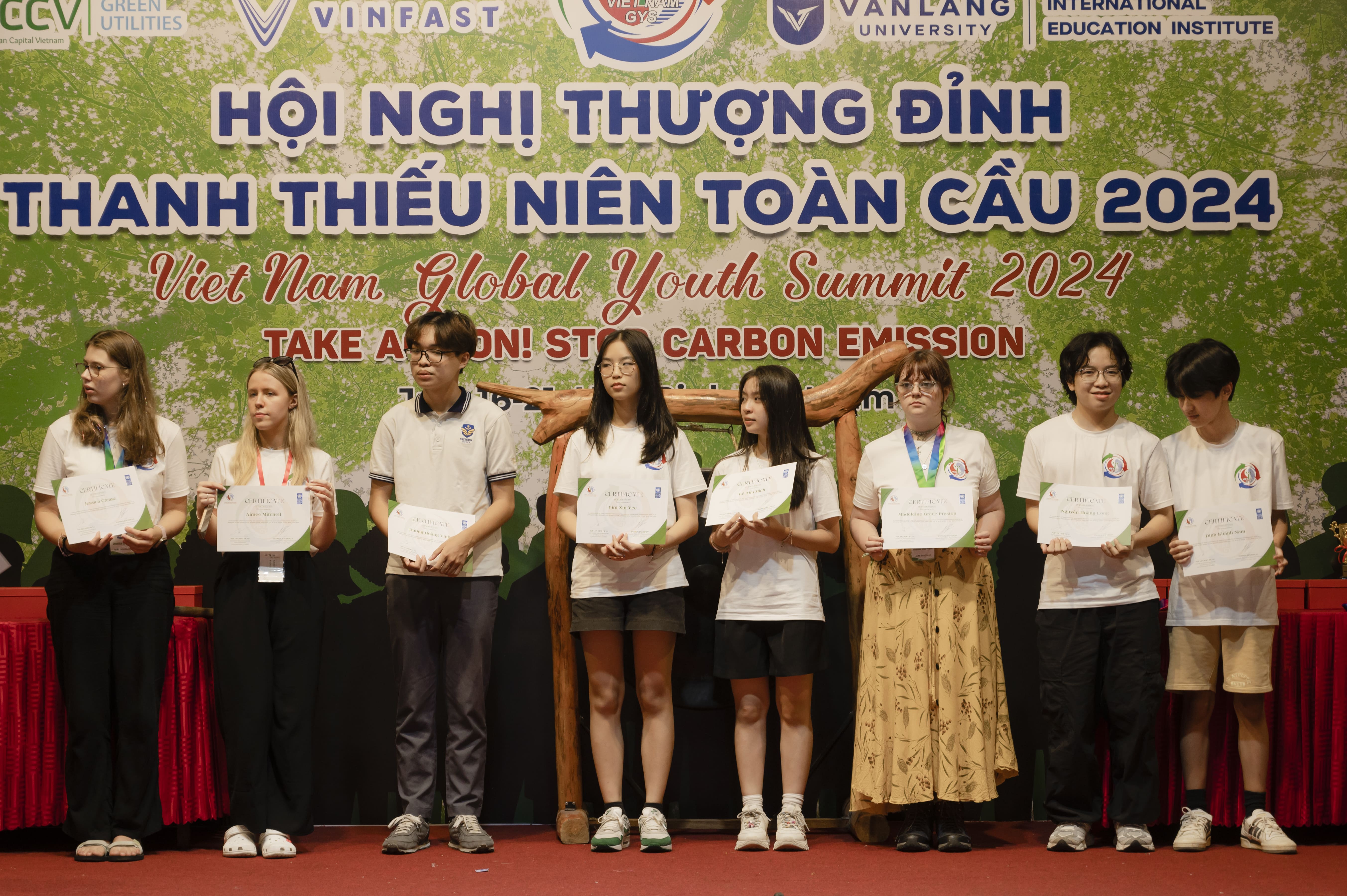
The summit is expected to attract over 100 delegates and students from Vietnam and abroad, all contributing innovative and sustainable projects such as battery recycling, organic waste treatment, and eco-friendly school transportation solutions. Selected initiatives will receive support for real-world implementation and community impact. All participants will be awarded certificates and gifts in recognition of their creativity, environmental awareness, and contributions to sustainable development and climate action.
Youth Voices Highlight Urgency of Climate Action at Global Summit
At the panel discussion “The Role of the Youth Generation in Climate Change,” held during the Global Youth Summit (GYS), student delegates and officials from the Center for Natural Resources and Environment Communication (CNREC) shared key insights on environmental responsibility and collective action.
Youth representatives emphasized their generation’s growing awareness and commitment to tackling the climate crisis. They called for greater inclusion of young people in policy-making, noting their creativity and energy as vital forces for sustainable change. Speakers encouraged peers to take part in community clean-ups, advocate for environmental policies, and embrace eco-friendly lifestyles.
Representing the government’s communication efforts, CNREC highlighted the importance of public awareness campaigns and local engagement. The agency stressed the need for stronger collaboration among governments, educational institutions, and youth to build a more sustainable future.
Key actions identified included: enhancing environmental education, empowering youth participation, strengthening environmental policies and enforcement, and supporting grassroots community initiatives.
The session concluded with a shared call to action: protecting the planet is a collective responsibility that requires participation from all individuals, regardless of age or background.